
Meeting Airport Sustainability targets
As HVAC consumes about 70 percent of the energy in airport terminal buildings, there is a strong need to install and connect BMS and BAS systems by leveraging i-BEMS. Its

Energy Management (EM) has become crucial and much more complicated for airports with the introduction of various energy sources, technologies and different comfort requirements. Regarding the aviation industry as one of the major sources of global warming and air pollution, this situation becomes highly critical.
As HVAC consumes about 70 percent of the energy in airport terminal buildings, there is a strong need to install and connect BMS and BAS systems by leveraging i-BEMS. Its effective user profiles and artificial intelligence (AI)-based algorithms also helps automatically optimize BMS and BAS schedules.
However, the review of literature on Energy Management Information Systems (EMIS) for airports shows that the proposed solutions are usually domain-specific, platform-depended and away from suggesting complete solutions and architectures.
Terminals, in particular, account for over 50 percent of total energy consumption. To better control energy utilization, authorities are looking for innovative systems that can smartly and reliably manage all electrical and electronic activities inside airport buildings.
With intelligent building energy management solutions (i-BEMS) making it possible to improve performance, they are increasingly gaining traction across industries. While the energy-saving potential with low-cost measures ranges between 5 and 30 percent, airports have not necessarily been able to achieve this.
As more airports deploy i-BEMS systems, they will witness significantly optimized energy usage in the terminal, reduced carbon footprint, lower OPEX, and better passenger experience.

As HVAC consumes about 70 percent of the energy in airport terminal buildings, there is a strong need to install and connect BMS and BAS systems by leveraging i-BEMS. Its

Base stations and cell towers are critical components of cellular communication systems, serving as the infrastructure that supports seamless
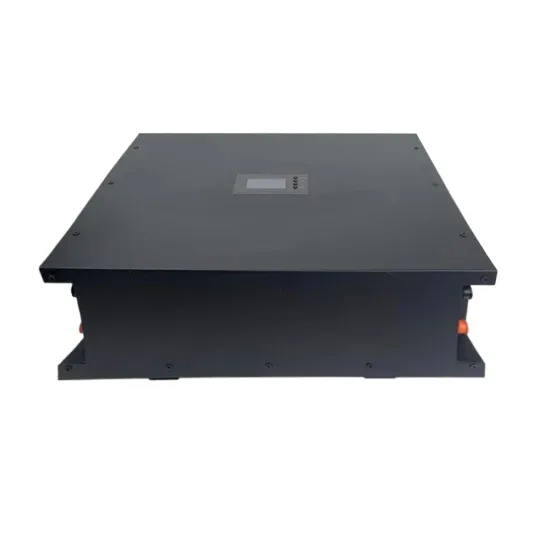
Quality of Service (QoS) improvements can be attained through effective resource management facilitated by Artificial Intelligence (AI) and
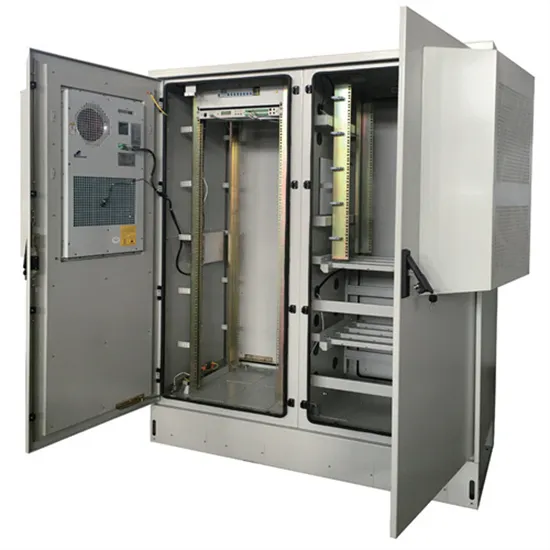
The above results show that the optimisation scheme proposed in this paper improves the economy and flexibility of the multi-energy system and verifies the validity and
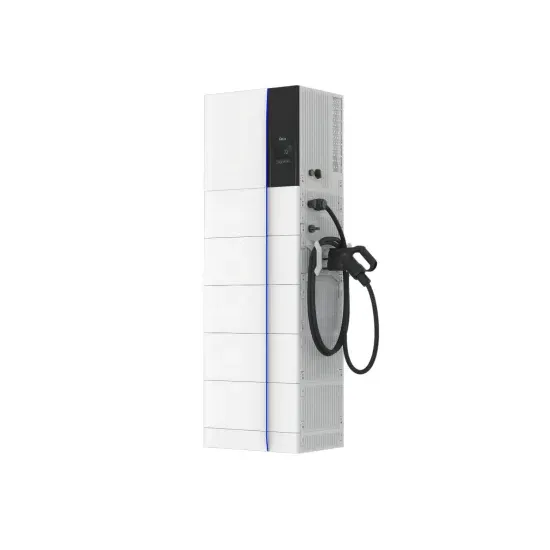
The energy consumption of the mobile network is becoming a growing concern for mobile network operators and it is expected to rise further with operational costs and carbon
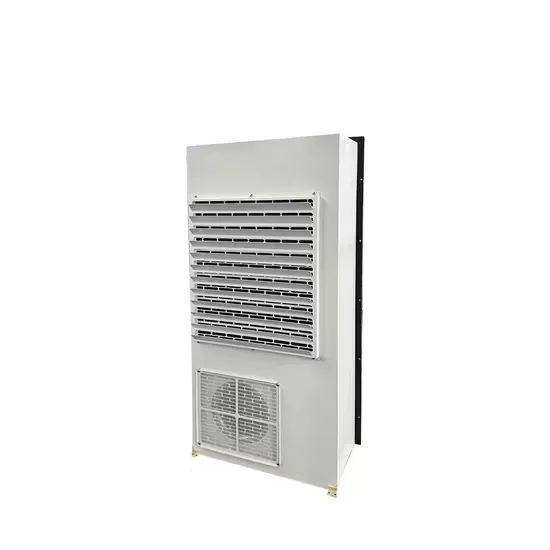
3.2 Energy management strategies for airport''s microgrid systems n be utilised to optimise the entire airport microgrid system. The energy scheduling cycle for this requires 1
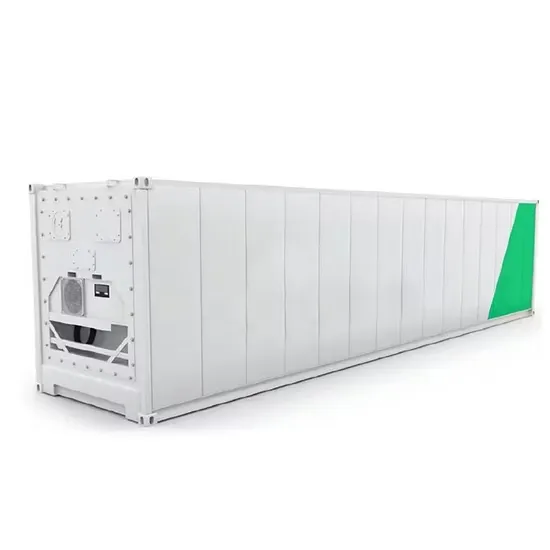
Energy consumption is a big issue in the operation of communication base stations, especially in remote areas that are difficult to connect with the traditional power grid,

Telecom base stations are strategically distributed across urban, suburban, and remote locations to provide uninterrupted wireless service.
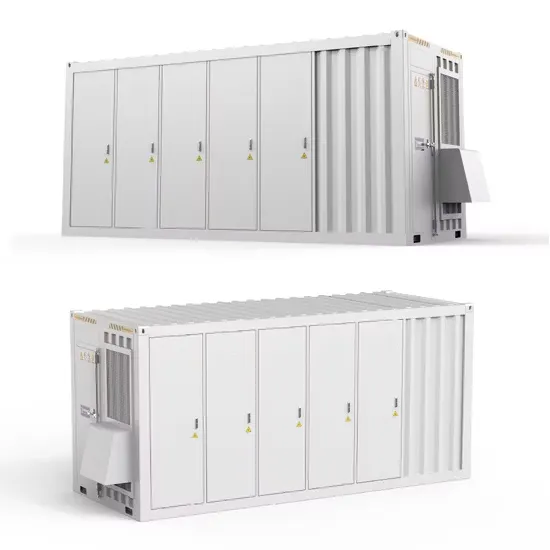
Furthermore, a multi-objective joint peak shaving model for base stations is established, centrally controlling the energy storage system of the

An energy consumption optimization strategy of 5G base stations (BSs) considering variable threshold sleep mechanism (ECOS-BS) is proposed, which includes the initial

The emergence of visible light communication (VLC) provides an energy-efficient wireless communication system despite the various
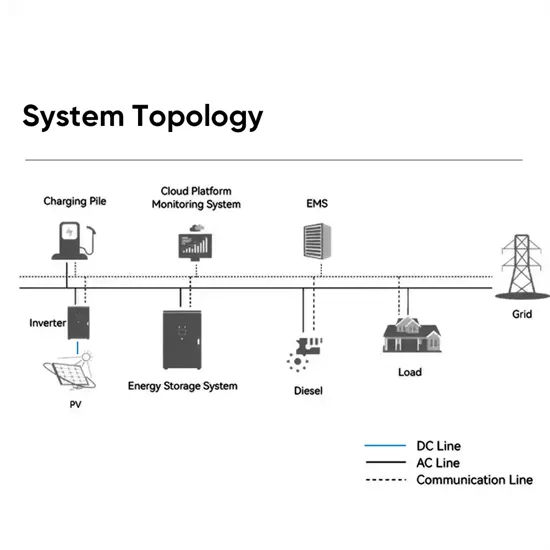
With the relentless global expansion of 5G networks and the increasing demand for data, communication base stations face unprecedented challenges in ensuring uninterrupted power

The analysis results of the example show that participation in grid-side dispatching through the flexible response capability of 5G communication base stations can enhance the

The Importance of Energy Storage Systems for Communication Base Station With the expansion of global communication networks, especially the advancement of 4G and 5G, remote
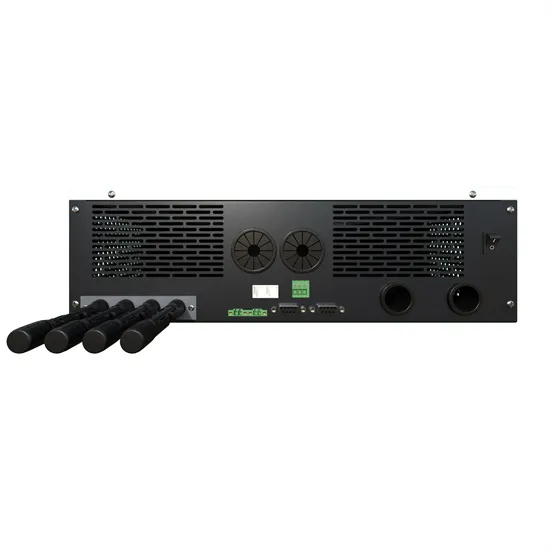
Energy management strategies are studied in the realm of smart grids and other technologies, increasing the possibilities for energy efficiency further by employing schemes
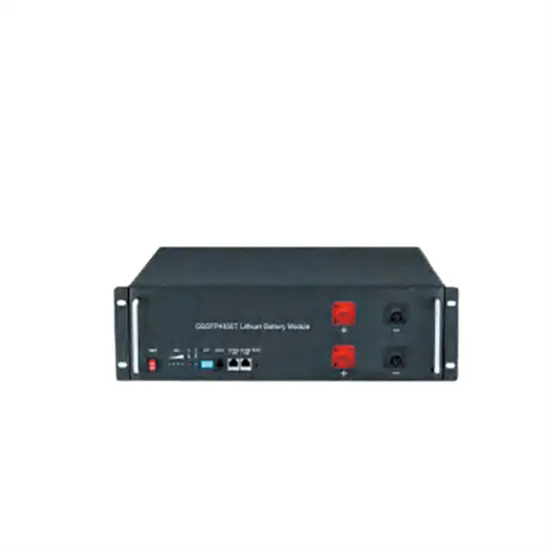
This paper presents the design considerations and optimization of an energy management system (EMS) tailored for telecommunication base stations (BS) powered by

Energy storage systems allow base stations to store energy during periods of low demand and release it during high-demand periods. This helps reduce power consumption and optimize

The number of 5G base stations (BSs) has soared in recent years due to the exponential growth in demand for high data rate mobile communication traffic from various

The Honeywell enterprise buildings integratorTM (ebi) is an easy to use, intelligent single system that integrates your existing (and future) building management, life safety,

The Energy storage system of communication base station is a comprehensive solution designed for various critical infrastructure scenarios, including communication base stations, smart
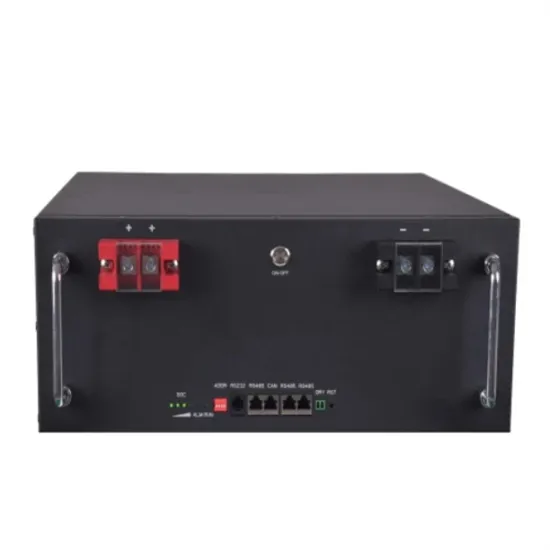
This study develops a renewable energy power supply system that integrates wind, photovoltaic (PV), and waste-to-energy (WTE) sources to

We found this method can effectively meet the emergency communication needs, maximize the energy efficiency ratio of the air base station, qualify the user''s communication

In recent years, with the rapid deployment of fifth-generation base stations, mobile communication signals are becoming more and more complex. How to identify and classify
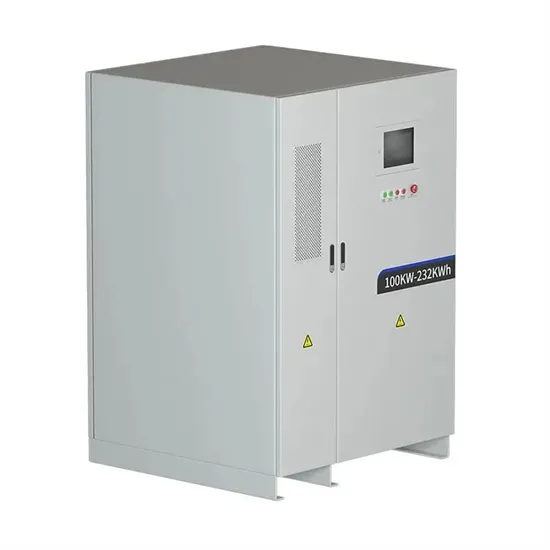
It requires businesses to apply expertise and finance to develop and promote new approaches to energy efficiency and policyholders need to introduce strong regulatory frameworks that

Since mmWave base stations (gNodeB) are typically capable of radiating up to 200-400 meters in urban locality. Therefore, high density of these stations is required for
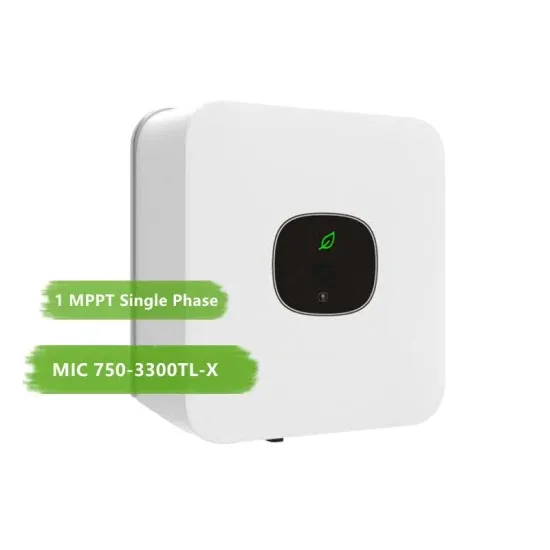
Energy storage systems (ESS) are vital for communication base stations, providing backup power when the grid fails and ensuring that
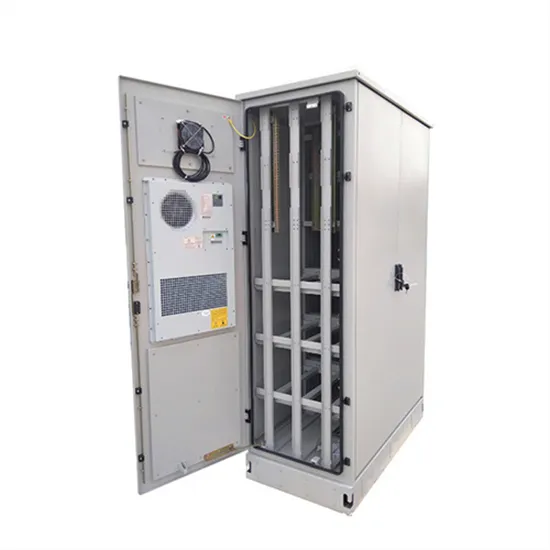
Battery Energy Storage Systems (BESS) enhance energy security for airports and transportation hubs by providing reliable backup power, reducing operational costs, and supporting

Optimising the energy supply of communication base stations and integrate communication operators into system optimisation. Proposing a strategy for siting and sizing

Energy Management (EM) has become crucial and much more complicated for airports with the introduction of various energy sources, technologies and different comfort

A literature review is presented on energy consumption and heat transfer in recent fifth-generation (5G) antennas in network base stations. The
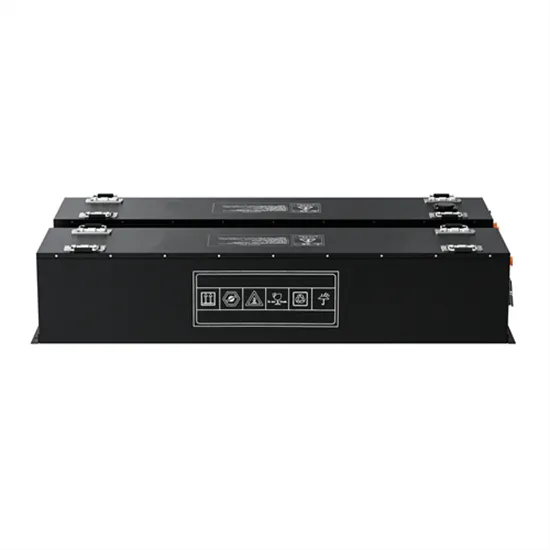
Monitoring of energy consumption is a great tool for understanding how to better manage this consumption and find the best strategy to adopt in order to maximize reduction of

Communication is one of the most integral parts of an airport, ensuring that operations run efficiently, smoothly and safely. Learn more about the different

Additionally, exploring the integration of communication base stations into the system''s flexibility adjustment mechanisms during the configuration is important to address the

With the advent of the 5G era, mobile users have higher requirements for network performance, and the expansion of network coverage has become an inevitable trend.

In this paper, a distributed collaborative optimization approach is proposed for power distribution and communication networks with 5G base stations. Firstly, the model of 5G
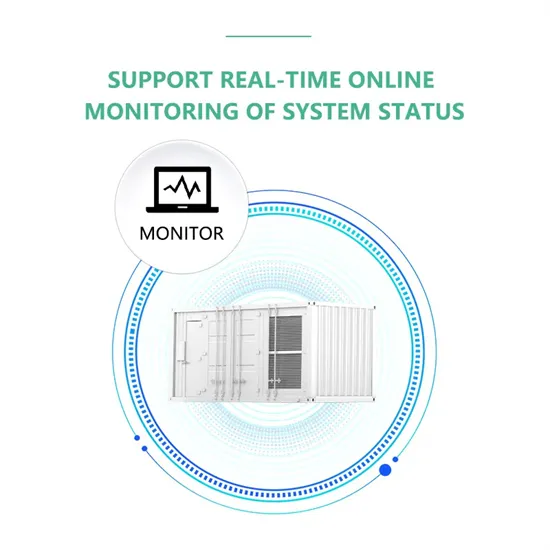
The $23 Billion Question: Can We Power Connectivity Without Burning the Planet? As global mobile data traffic approaches 1,000 exabytes monthly, communication base station energy
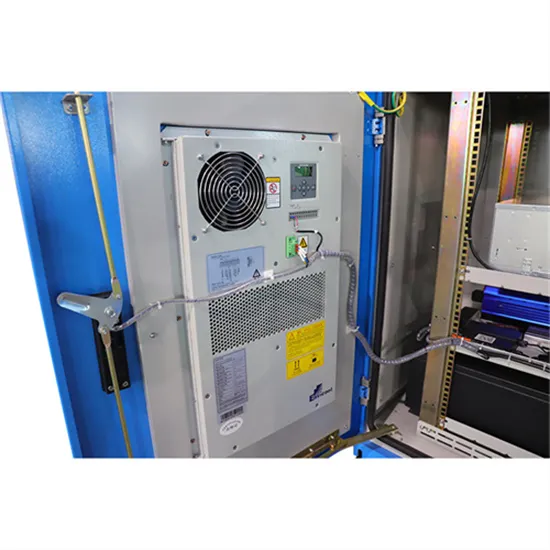
Download Citation | On May 16, 2025, Cheng Ren and others published Digital Twin Driven Energy Management for Offshore Wireless Communication Base Stations | Find, read and cite
Today''s airports are not mere transit points—they are vibrant, high-tech ecosystems, each terminal operating as a mini-city powered by thousands of interconnected systems. Lighting,
Abstract—The fifth generation of the Radio Access Network (RAN) has brought new services, technologies, and paradigms with the corresponding societal benefits. However,
PDF version includes complete article with source references. Suitable for printing and offline reading.